The subject of this analysis is a marketing model for a physical product based on the use of influencer marketing combined with the environment of the game Minecraft. Online creators promote branded toys containing candy, widely available in retail sale, including in popular discount store chains. The campaign also involves creating and making available within Minecraft virtual counterparts of the promoted products, which function, inter alia, on servers, on maps and through game modifications.
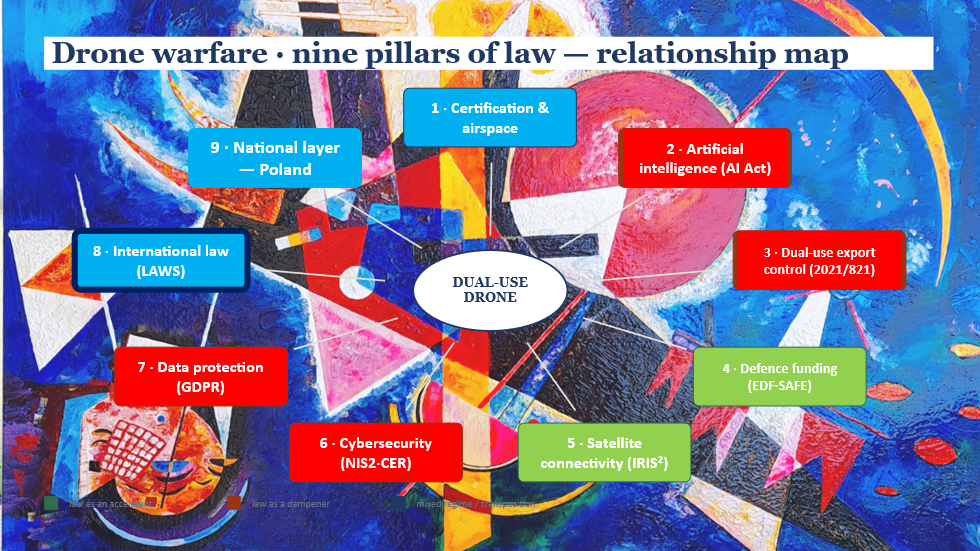
The Legal Environment and Practical Aspects of Dual-Use Technology – the Ukrainian Conflict as a Lens on the Development of EU Regulation and the Polish Jurisdiction – Expanded Edition – Legal status as at 25 August 2026
Authors: attorney-at-law (radca prawny) K. Jakub Gładkowski (corporate practice, court and regulatory representation), attorney-at-law (radca prawny) Małgorzata Kiełtyka (M&A, high-technology and highly regulated sectors) – KG Legal Kiełtyka Gładkowski Spółka Partnerska Kancelaria Radców Prawnych; iSTART1 programme.
This material is of a popular-science and informational nature. It does not constitute legal advice or a binding opinion. Before citing any specific provision, the current consolidated version in EUR-Lex and the current entry in the Polish Journal of Laws (Dziennik Ustaw) should be verified in each case.
The dynamic development of the computer games market has led to a significant change in the monetization models used by game producers and publishers. The traditional sales model, based on a one-time purchase of a product by the consumer, has been largely replaced by solutions based on long-term user engagement and generating revenue through micropayments (microtransactions). Mechanisms known as loot boxes, consisting in the paid purchase of virtual packages with random content.
You see a video, a product catches your eye, and an “add to cart” button is already blinking in the corner of the screen. A few seconds later the order is placed, paid for, and on its way — all without leaving the app. That’s how TikTok Shop works: a closed-loop model in which the path from watching a piece of content to completing a purchase has been cut to the bare minimum. That very immediacy is its greatest strength and, at the same time, the source of its most serious concerns.