Labor law is a key area of the legal system, directly impacting the professional and social situation of millions of employees and employers. Dynamic changes in the labor market, technological progress, and economic conditions necessitate adapting legal regulations to new realities. Recently, we have observed increased legislative activity in this area, not only in Poland but also in the EU. The Labor Code is amended almost annually. This year, 2026 will be no different. This time, however, the amendments will affect a very large portion of society and will address issues such as seniority, salary transparency, recruitment neutrality, and even the gender pay gap. Therefore, for context, it is worth reviewing the new regulations that entered into force at the end of 2025, and then moving on to those that await us this year. At the end of this article, we will also highlight possible legal changes that have been announced for a long time. Their implementation is highly probable and could bring significant changes. Therefore, it is worth being aware of them.
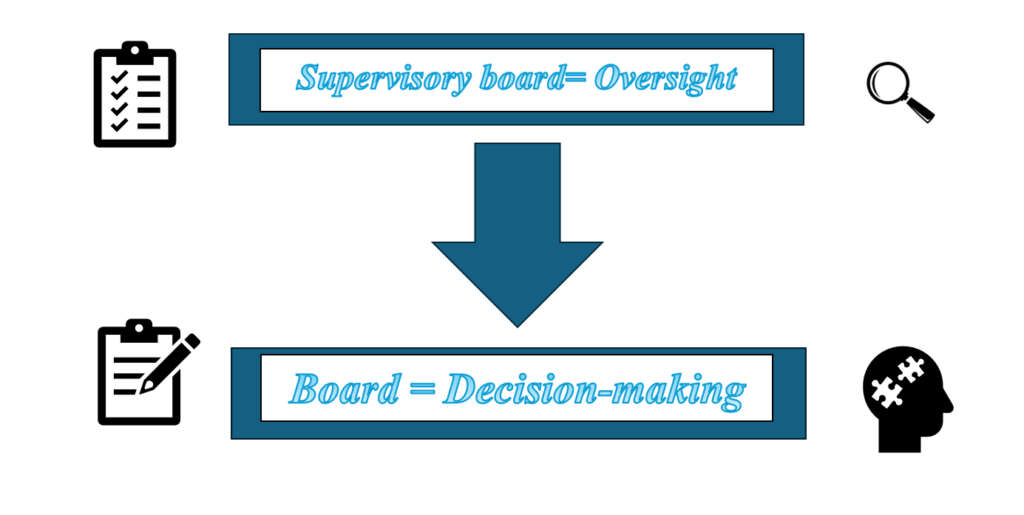
The supervisory board is one of the key bodies of a company, performing the function of constant oversight of the company’s activities in all areas of its operation. Its constitutional position is established as a separate body from the management board, deprived of the authority to manage the company’s affairs, but equipped with control instruments aimed at protecting the interests of the company and its shareholders. This structure is based on a clear separation of decision-making and supervisory functions, which, at least at the normative level, is intended to ensure the proper functioning of corporate governance mechanisms. However, business practice and extensive case law demonstrate that the boundaries between the powers of the supervisory board and the management board are not always clear. In particular, disputes focus on the scope of the supervisory board’s interference in the company’s day-to-day operations, the nature and effects of its resolutions, its communication relations with the management board, and the legal consequences of exceeding its authority. These issues most often arise in the context of the civil liability of supervisory board members and the assessment of the legality of their actions under the provisions of the Commercial Companies Code. The purpose of this article is to present selected issues related to the functioning of the supervisory board in companies against the background of court case law. This analysis focuses in particular on the liability of supervisory board members for damages, conflicts of authority with the management board, the risk of violating the law while performing supervisory functions, and formal issues related to the composition and operation of company bodies. This approach allows us to present the supervisory board not only as a formal control body, but also as an entity that actually contributes to shaping the company’s legal situation and bears the consequences of its actions or omissions.
A letter of credit is a financial instrument. It constitutes a form of domestic or international settlement conducted through a bank. It is a written commitment by the bank to pay a specified amount for documents submitted within a specified timeframe, as specified in the letter of credit. It protects the interests of both parties to the contract by ensuring the exporter’s immediate transfer of the receivable, while allowing the importer to condition payment upon the supplier’s fulfillment of specific conditions. Letters of credit are offered by banks operating in the Polish market – details regarding fees can be found in the tables of fees and commissions published on the banks’ websites.
Competition and consumer protection are a crucial issue for businesses and the consumers who use their services. On July 7, 2025, the President of the Polish Office of Competition and Consumer Protection issued two binding decisions against PayPal.
A PayPal account created by a user acts as an electronic wallet integrated with their bank account. A payment card can be linked to this virtual wallet. Besides connecting their bank card, the user can simply top up their digital wallet using funds from their own, previously held bank account. Furthermore, the services offered by this application include the ability to exchange currencies – currently, payments in over 20 currencies are possible.
Disputes over overtime payment are among the most common disputes arising in employment relationships. Their specific nature lies in the fact that they do not solely involve the interpretation of labor law provisions, but rather, for the most part, require a detailed determination of the factual circumstances. It is crucial to determine whether the employee actually performed work outside the applicable working hours, to what extent, and whether this work meets the criteria for being considered overtime work under the Labor Code.
Pursuant to Article 151 § 1 of the Labor Code, overtime work is work performed in excess of the employee’s standard working hours or in excess of the extended daily working time resulting from the applicable work time system and schedule. This means that simply exceeding the standard working time does not always result in overtime – the working time system and the settlement period to which the employee is subject must always be taken into account.