For effective protection of foreign creditors in Polish jurisdiction, our law firm combines the experience of:
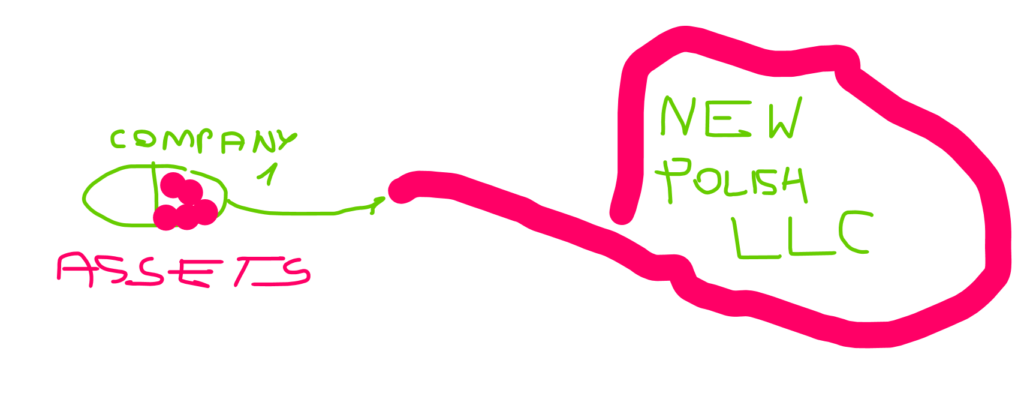
1/ the practices of lawyers and litigators who can predict the effects of M&A as a tool for the attempt to remove assets in the face of possible enforcement;
2/ OSINT analysts and private investigators who, using various methods of analyzing metadata, are able to track crypto transactions and information traffic in the Internet, also from the level of DEEP and DARK WEB, and are able to track the real value of the assets of the Polish company.
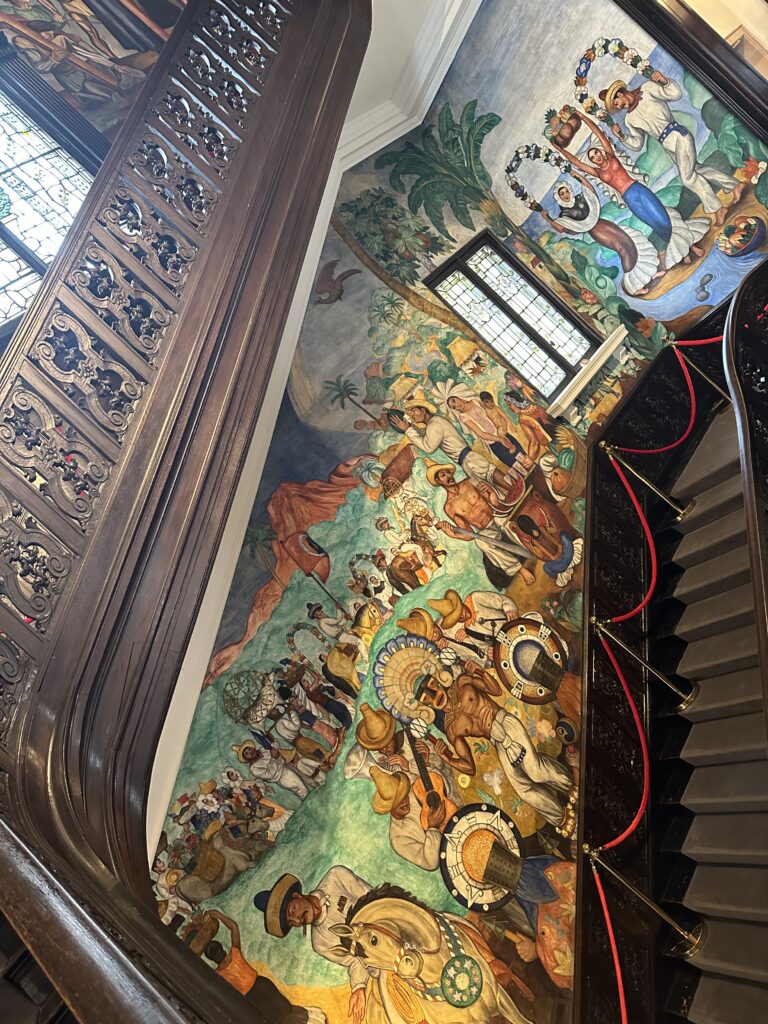
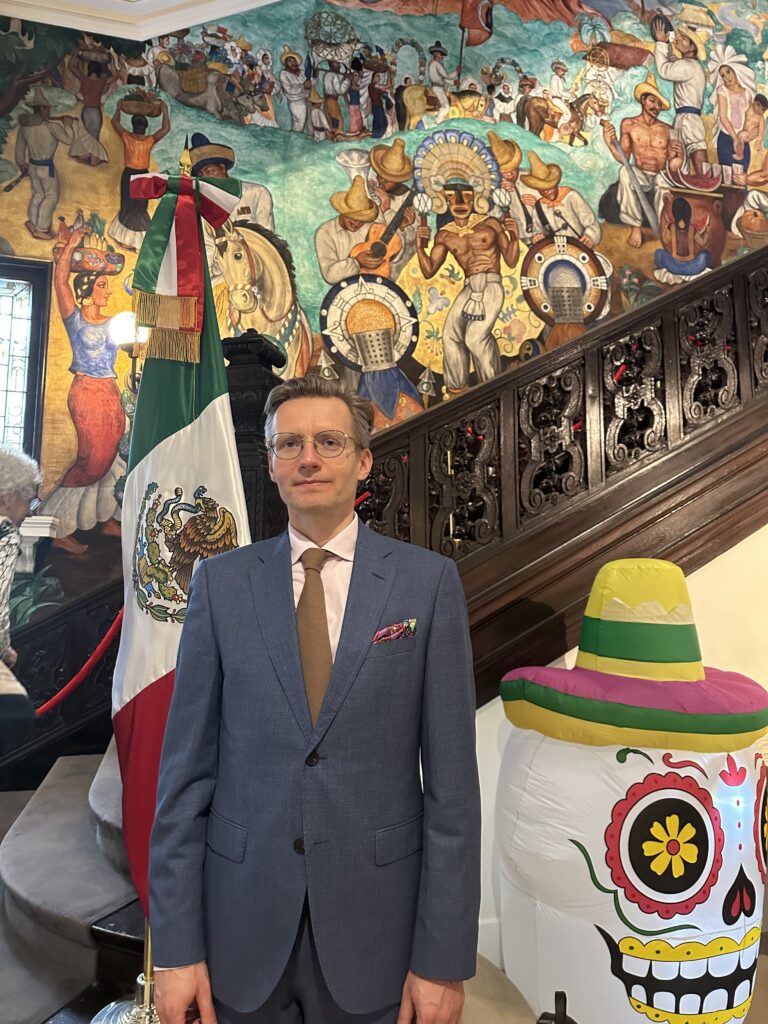
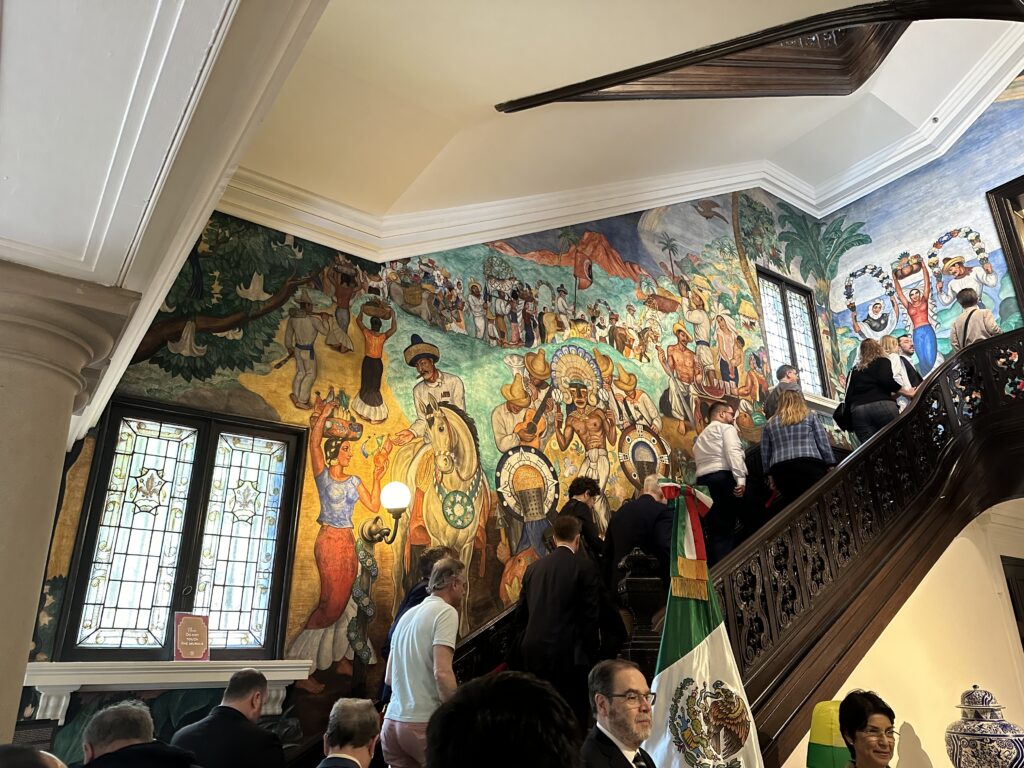
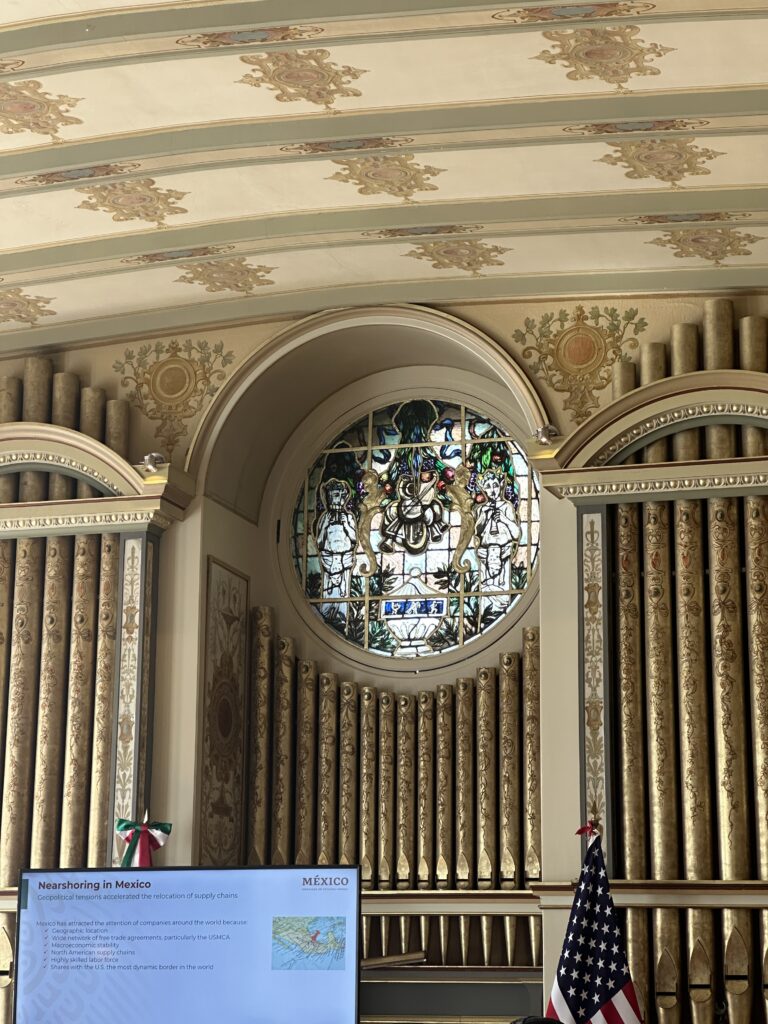
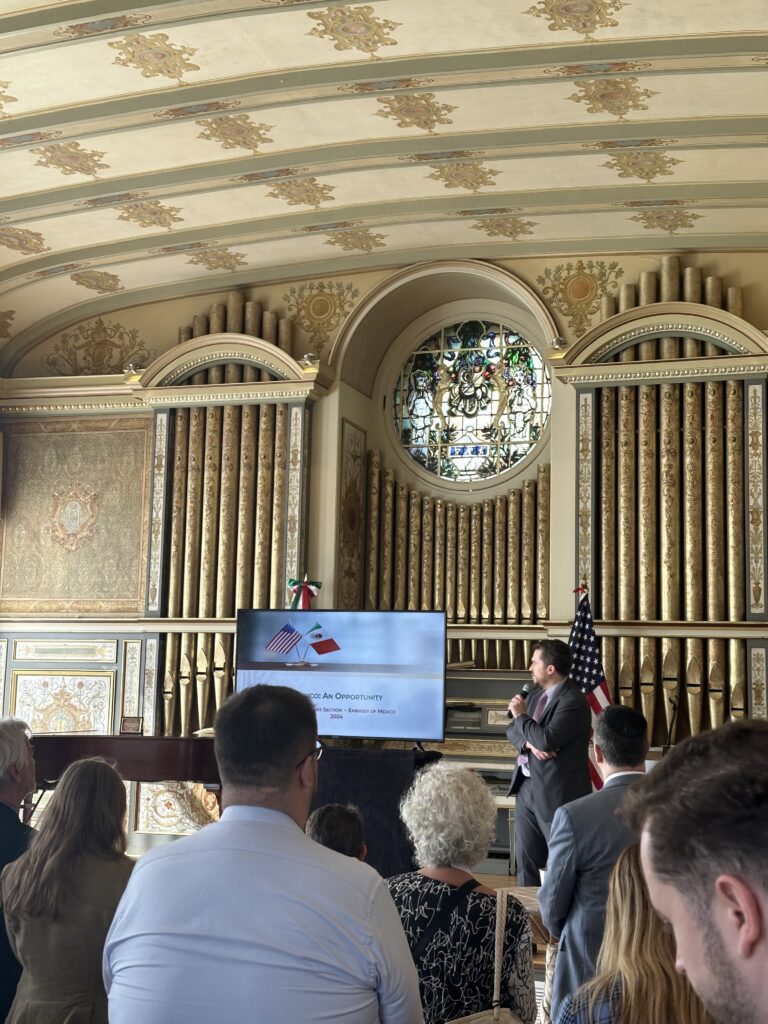
As a part of the multi-day conference of the international section of the American Bar Association, the conference committee organized a special meeting for lawyers with Mexican diplomatic representatives in Washington.
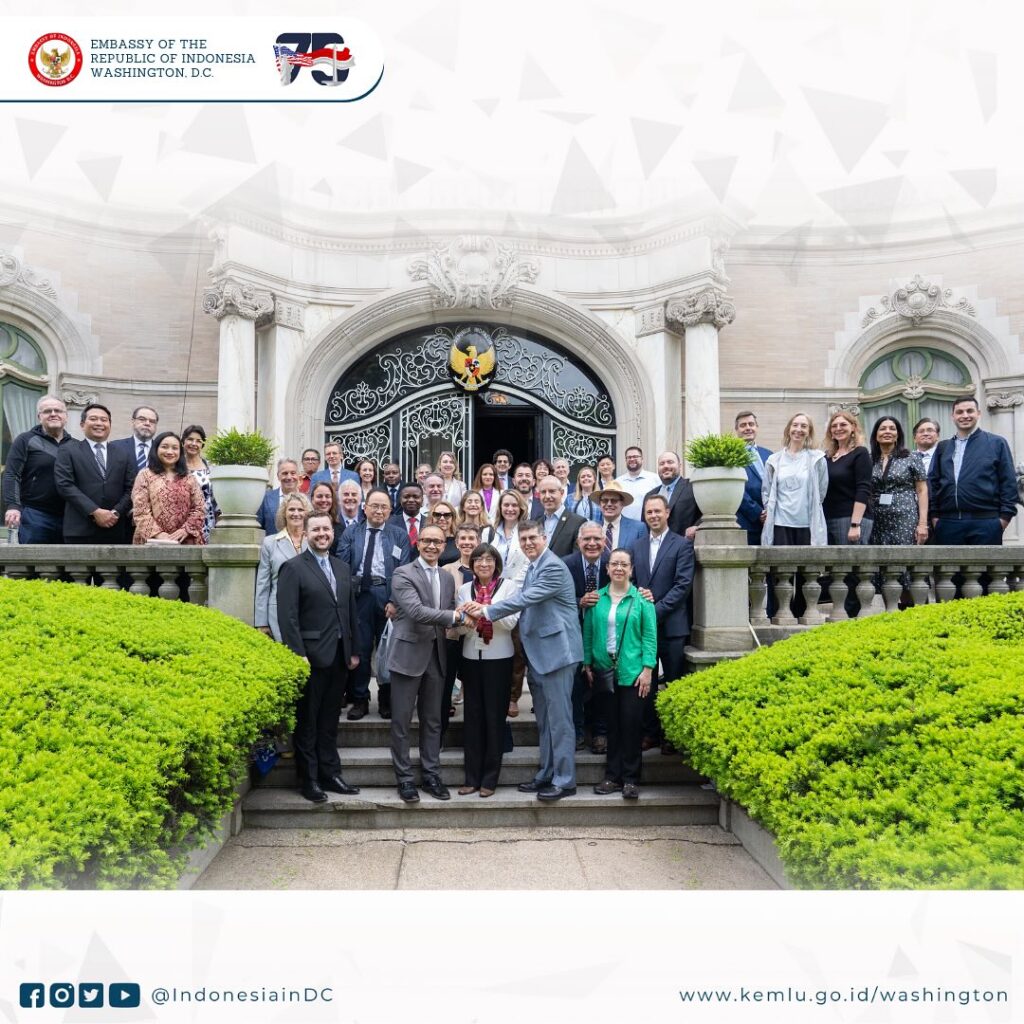
As part of the events accompanying the annual conference of the international section of the largest legal organization in America, ABA, lawyers of Kiełtyka Gładkowski KG LEGAL, together with other lawyers participating in the conference, were hosted by the Indonesian Ambassador in Washington D.C.
The topic of the meeting was the exchange of key information regarding investment opportunities in Indonesia, including in the novel food industry and tourism.
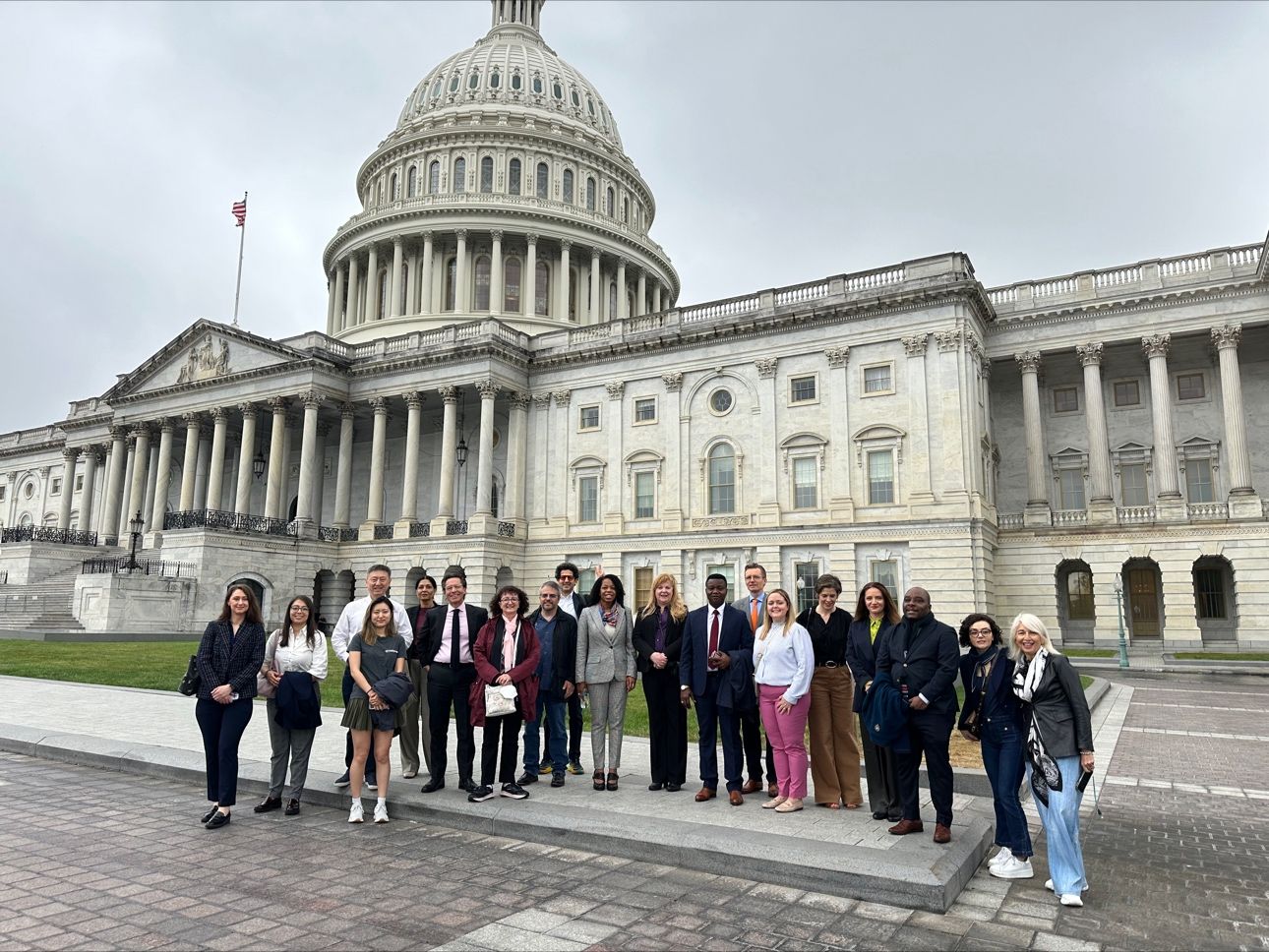
Visiting the American Parliament building by Kiełtyka Gładkowski KG LEGAL’s lawyers. The United States Capitol is a building located on Capitol Hill in Washington, D.C., that serves as the seat of the United States Congress (American Parliament). The visit to the Capitol Hill was related with the role of the members of the American Bar Association as the organization actively engaged in advocacy before Congress, the Executive Branch and other governmental entities on diverse issues of importance to the legal profession.
Sukuk is a financial bond that complies with Islamic religious law commonly known as Sharia. The traditional Western interest-paying bond structure is prohibited in the Islamic law because the riba, or interest debt, goes against precepts of Islam. Therefore, the Islamic countries and investors need a structure to link the returns and cash flows of debt financing to a specific asset being purchased, effectively distributing the benefits of that asset. In order to do that, in Malaysia, the sukuk was created twenty three years ago and, since then, it has become extremely popular in Islamic finance.
Sukuk represents aggregate and undivided shares of ownership in a tangible asset as it relates to a specific project or a specific investment activity. An investor in sukuk, therefore, does not own a debt obligation owed by the bond issuer, but instead owns a piece of the asset that’s linked to the investment. This means that sukuk holders, unlike bond holders, receive a portion of the earnings generated by the associated asset. Hence, financing can only be raised for identifiable asset, this means an asset whose commercial value can be measured.