Can supervisory board bear liability vis-à-vis creditors of the company or shareholders?
Publication date: May 11, 2026
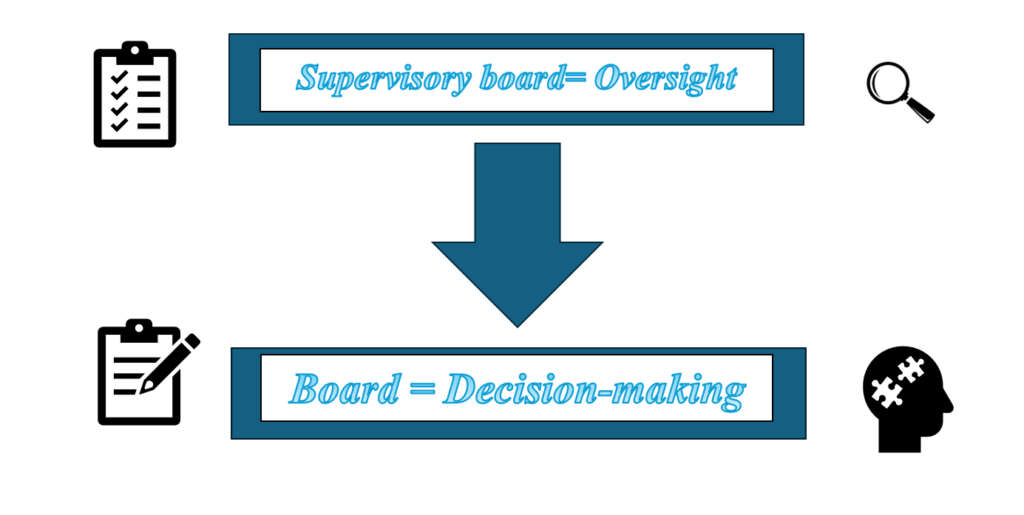
The supervisory board is one of the key bodies of a company, performing the function of constant oversight of the company’s activities in all areas of its operation. Its constitutional position is established as a separate body from the management board, deprived of the authority to manage the company’s affairs, but equipped with control instruments aimed at protecting the interests of the company and its shareholders. This structure is based on a clear separation of decision-making and supervisory functions, which, at least at the normative level, is intended to ensure the proper functioning of corporate governance mechanisms. However, business practice and extensive case law demonstrate that the boundaries between the powers of the supervisory board and the management board are not always clear. In particular, disputes focus on the scope of the supervisory board’s interference in the company’s day-to-day operations, the nature and effects of its resolutions, its communication relations with the management board, and the legal consequences of exceeding its authority. These issues most often arise in the context of the civil liability of supervisory board members and the assessment of the legality of their actions under the provisions of the Commercial Companies Code. The purpose of this article is to present selected issues related to the functioning of the supervisory board in companies against the background of court case law. This analysis focuses in particular on the liability of supervisory board members for damages, conflicts of authority with the management board, the risk of violating the law while performing supervisory functions, and formal issues related to the composition and operation of company bodies. This approach allows us to present the supervisory board not only as a formal control body, but also as an entity that actually contributes to shaping the company’s legal situation and bears the consequences of its actions or omissions.